Currently Empty: R0.00

Understanding Food Labels: Ingredients, Additives and Everyday Choices

Reading food labels can help you compare products, spot allergens and understand what you are buying. An unfamiliar ingredient name does not automatically mean a food is dangerous. The amount consumed, the overall diet and individual health needs all matter.
A practical food-label checklist
- Read the ingredients: these generally appear in descending order by weight. Look beyond the front-of-pack marketing.
- Compare like with like: when a nutrition table is provided, use the per-100 g or per-100 ml figures to compare similar products. Then check the portion you actually eat.
- Look at the whole picture: consider fibre, sugar, sodium and saturated fat together. A “sugar-free” or “natural” claim is not a complete nutritional assessment.
- Check allergens every time: recipes can change. Read ingredient and precautionary statements and ask the manufacturer if anything is unclear.
- Follow storage and date instructions: food safety also depends on correct handling after purchase.
South Africa’s Department of Health publishes food labelling and additive regulations. This guide is practical consumer information, not a legal assessment of an individual label.
Seven common ingredients explained
1. Monosodium glutamate (MSG)
MSG enhances savoury flavour in foods such as soups, sauces and snacks. The FDA considers its use in food generally recognised as safe. Studies have not consistently reproduced reactions in people who identify themselves as sensitive. Some people may experience temporary symptoms after large amounts without food; that is different from usual food portions. If symptoms recur, discuss them with a clinician rather than assuming MSG is the cause.
2. Aspartame
Aspartame is a sweetener used in some reduced-sugar drinks and foods. In 2023, IARC classified it as possibly carcinogenic on limited evidence, while JECFA retained an acceptable daily intake of 0–40 mg per kilogram of body weight. These assessments address different questions: potential hazard and risk at a given exposure. They do not establish that ordinary use causes the long list of diseases sometimes attributed to aspartame. Read the WHO explanation of the findings.
People with phenylketonuria (PKU) need to avoid or restrict aspartame as advised by their care team because it supplies phenylalanine. The FDA’s sweetener guidance explains this exception. Water remains a straightforward everyday drink choice.
3. Partially hydrogenated oils and trans fats
Partially hydrogenated oils can supply industrial trans fats. WHO recommends avoiding industrial trans fats and choosing unsaturated fats in place of saturated and trans fats. Check the actual label: it is inaccurate to say that every takeaway, margarine or baked product contains trans fats. See WHO’s healthy-diet guidance.
4. Sodium nitrite and processed meat
Sodium nitrite is used as a preservative in some cured meats, including ham, bacon and polony. The relevant dietary concern is the established link between processed-meat consumption and colorectal cancer; risk increases with the amount eaten. This does not mean a single ingredient explains every risk, or that a small serving is equivalent to exposure to concentrated chemical nitrite. Choose processed meats less often and vary protein sources with options such as beans, lentils, eggs or fish. Read WHO’s processed-meat assessment.
5. Xanthan gum
Xanthan gum thickens and stabilises foods such as sauces, dressings and gluten-free baked products. EFSA’s 2017 assessment found no safety concern for the general population at the assessed uses and exposure levels. Larger amounts may cause digestive discomfort. Its presence does not make a food a treatment for blood sugar or cholesterol. For allergies, assess the complete product label; do not infer its allergen content from the word “xanthan”. Infant feeding and medical thickeners require individual professional guidance.
6. Phosphoric acid and acidic drinks
Phosphoric acid provides acidity in some drinks, including certain colas. Carbon dioxide creates the fizz. Comparing food-grade ingredients with concentrated industrial chemicals is misleading. A practical concern is frequent exposure of teeth to acidic drinks, including some sugar-free drinks. The American Dental Association explains how dietary acids contribute to enamel erosion. Choose plain water often and avoid sipping acidic drinks throughout the day.
7. High-fructose corn syrup
High-fructose corn syrup is an added sweetener containing glucose and fructose. The FDA reports no evidence that it is less safe than comparable amounts of other similar sweeteners. Focus on overall free-sugar intake instead of treating one syrup as uniquely toxic. Honey, syrups and fruit juice also contribute free sugars. Check drink portions and choose unsweetened options more often.
Make food choices manageable
Build meals around a variety of vegetables, fruit, whole grains and suitable protein sources. Affordable frozen vegetables and beans can be useful choices too. Compare a few foods you buy regularly instead of trying to memorise every additive. Our guide to food cravings and healthy alternatives offers further practical ideas.
A registered dietitian can help with food allergies, persistent digestive symptoms or a medically restricted diet. Breathing difficulty, throat swelling or collapse after eating requires emergency care. Do not use a supplement to manage a suspected allergic reaction or poisoning.
Where supplements fit
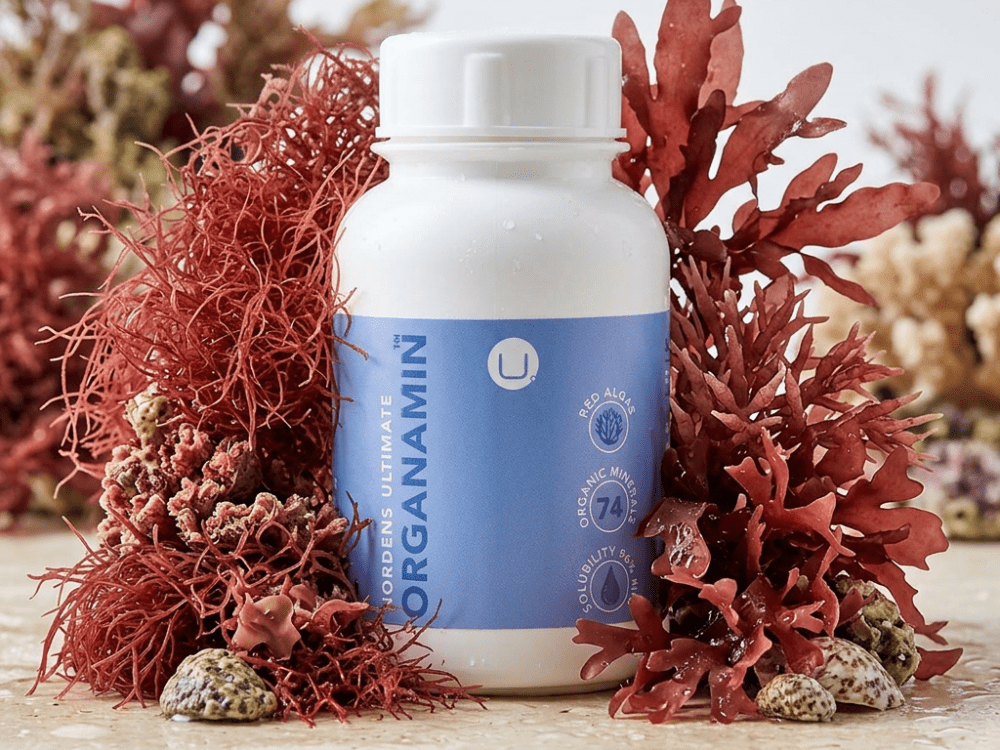
Supplements do not replace a varied diet or make an unsafe food safe. Nordens’ range includes Rewind, Nordens Ultimate Zeolite and Organamin. Organamin contains Lithothamnium Calcareum (red algae). Rewind has a specialised liquid spray formulation and is not conventional clinoptilolite powder mixed with water.
Rewind’s formulation contains laboratory-confirmed nanoparticle sized clinoptilolite. Rewind is not intended to diagnose, treat, cure or prevent disease.
Browse the Nordens supplement range and follow each product’s label. Ask a pharmacist or healthcare professional about suitability if you take medicines, have a medical condition, are pregnant or breastfeeding, or are choosing supplements for a child.
For product information, email info@nordens.co.za or call +27 82 446 5604.