Currently Empty: R0.00

Cultivating Clarity: Everyday Habits and Supplement Facts
Constant updates, busy schedules and competing demands can make it difficult to concentrate. People sometimes use “brain fog” to describe slower thinking, forgetfulness or difficulty focusing. It is a description of symptoms, not a diagnosis, and it should not automatically be attributed to stress, toxins or a nutrient shortage.
Start by understanding the change
Poor sleep, stress and distractions can affect concentration. Medicines and medical conditions can also play a part. A supplement cannot identify the cause. If difficulties persist, worsen or affect everyday activities, speak to a healthcare professional rather than assuming they are temporary.
Sudden confusion needs urgent medical assessment. Seek emergency help if a person becomes suddenly confused, especially with weakness, speech difficulty or a severe headache.
Lifestyle foundations for a clearer routine
- Prioritise sleep: keep a consistent bedtime and allow time to unwind.
- Stay hydrated: keep water available and follow any individual fluid advice.
- Move regularly: choose activity suited to your health and ability.
- Limit distractions: try one task at a time and build in screen breaks.
- Eat varied meals: include vegetables, fruit, protein sources and whole grains where appropriate.
These are practical foundations for wellbeing, not a treatment for unexplained cognitive symptoms. Start with one manageable step; our article on small wellness habits offers ideas.
What nutrient roles can—and cannot—tell us
Organamin and red-algae minerals
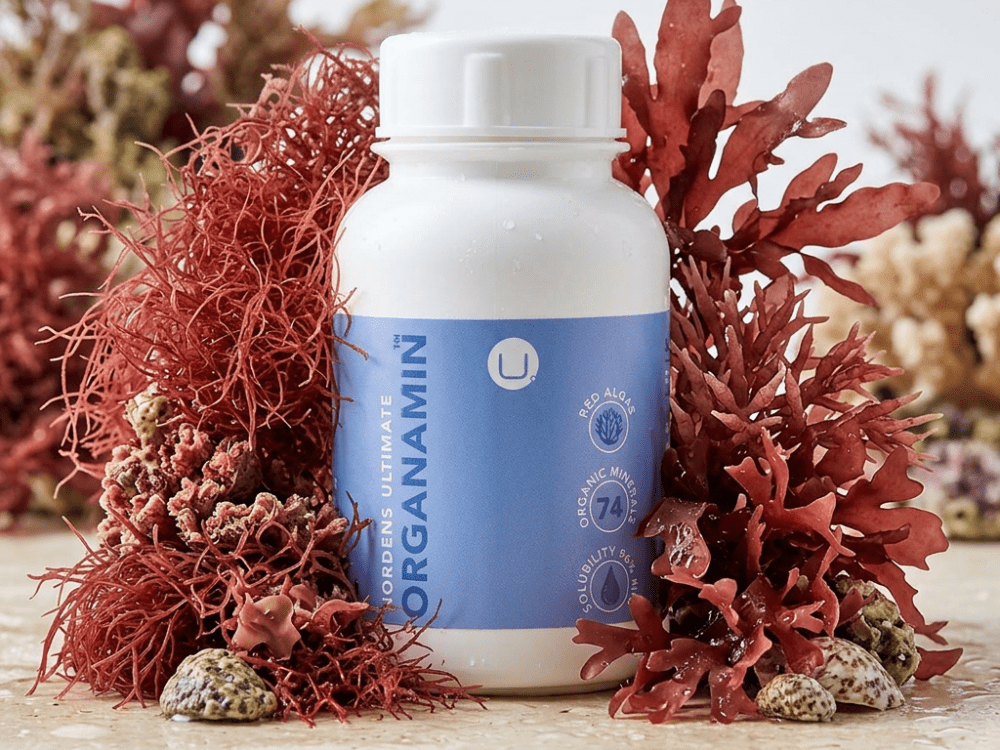
Organamin contains Lithothamnium Calcareum, a calcium-containing red-algae ingredient. Calcium contributes to normal muscle function, nerve transmission and the structure of bones and teeth. These established nutrient roles do not demonstrate that Organamin treats brain fog or improves concentration. Check the label’s amounts per serving when assessing nutritional needs.
A small pilot study in 12 women examined calcium-metabolism markers after the specific red-algae preparation Aquamin F. It is relevant ingredient research, but it did not test mental clarity and does not establish equivalent effects for Organamin.
Omega-3 fatty acids
DHA is a component of cell membranes and is particularly abundant in the brain. This biological role should be distinguished from a promise that an omega-3 supplement will improve an individual’s focus or memory. Check the EPA and DHA amounts on the label and discuss suitability with a healthcare professional.
Vitamin C and other supplements
Vitamin C contributes to normal immune function, collagen formation and antioxidant protection, and helps absorption of non-haem iron. Those nutrient functions do not establish sharper thinking from a liposomal vitamin C product. Similarly, Organimune should not be presented as a treatment for concentration problems or a guaranteed way to improve mental performance during stress.
Rewind formulation facts
Rewind’s formulation contains laboratory-confirmed nanoparticle sized clinoptilolite. Rewind is not intended to diagnose, treat, cure or prevent disease.
Particle size alone does not establish improved absorption or cognitive benefits. Rewind should not be presented as a way to remove brain toxins or treat brain fog.
Choose support for your individual needs
At Nordens Ultimate, we encourage informed choices alongside everyday wellbeing habits. Browse our supplement range for ingredient and label information. A pharmacist or qualified healthcare professional can help assess dietary gaps, medicine interactions and suitability, particularly during pregnancy or breastfeeding, for children, or when a medical condition is present.