Currently Empty: R0.00

Why the most nutritious plants on earth may have been growing here all along
There is a particular kind of irony in the global wellness industry. Each year, consumers spend billions chasing the latest superfood discovery – adaptogens from the Himalayas, berries from the Amazon, algae from the Pacific. The marketing is compelling, the packaging immaculate, and the prices accordingly impressive.
Meanwhile, across the African continent, plants with extraordinary nutritional profiles have been growing quietly for thousands of years. Used by traditional healers, prepared in village kitchens, and passed down through generations of lived knowledge – long before the word superfood existed, Africa already had them.
The world is only beginning to pay attention.
A continent of nutritional abundance
Africa is the most biodiverse continent on earth. Its range of climates – from tropical rainforest to semi-arid savannah, from coastal wetlands to high-altitude plateaus – has produced an extraordinary variety of plant life, much of it with remarkable nutritional and medicinal properties.
What makes this particularly significant is that many of these plants evolved under conditions of intensity. Heat, drought, poor soil, seasonal extremes. Plants that survive and thrive in these environments develop dense concentrations of nutrients, antioxidants, and protective compounds that simply are not required in more forgiving climates.
The result is a botanical heritage of genuine nutritional power – one that indigenous communities across the continent have understood and utilised for centuries, and that modern nutritional science is now beginning to document with growing enthusiasm.
Moringa – the tree that nourishes
Of all Africa’s nutritional plants, perhaps none has attracted more serious scientific attention in recent years than Moringa oleifera – known across the continent simply as the drumstick tree, or in many communities, the miracle tree.
Native to sub-Saharan Africa and parts of South Asia, Moringa has been used for generations across East and West Africa as both a food source and a traditional remedy. Its leaves, pods, seeds, and roots have all found application in indigenous nutrition and healing practice – a versatility that reflects just how comprehensively useful this plant is.
The nutritional profile of Moringa leaves is, by any measure, remarkable. They contain all nine essential amino acids, making Moringa one of the very few plant sources of complete protein. They are exceptionally rich in iron, calcium, potassium, and magnesium, and provide significant quantities of vitamins A, C, and E. They also contain a range of antioxidant compounds – including quercetin and chlorogenic acid – that have attracted particular interest from researchers studying inflammation and cellular health.
What traditional African communities understood intuitively, nutritional science is now confirming: Moringa is not simply a food plant. It is one of the most comprehensively nourishing plants on earth.
Baobab – Africa’s ancient fruit
If Moringa is the continent’s quiet secret, the baobab is its most iconic symbol. The great baobab tree – with its vast, ancient trunk and distinctive silhouette – is as much a part of the African cultural landscape as the savannah itself. But beyond its extraordinary appearance, the baobab produces a fruit with a nutritional profile that has begun attracting serious global attention.
Baobab fruit pulp is one of the richest natural sources of vitamin C found anywhere in the plant kingdom – containing several times more per gram than oranges, the fruit most commonly associated with vitamin C in popular understanding. It is also exceptionally high in dietary fibre, calcium, potassium, and a range of antioxidant compounds.
For centuries, communities across southern and central Africa have used baobab fruit as a staple nutritional resource – dissolving the dried pulp in water to create a drink, incorporating it into porridges and sauces, and using it as a natural preservative. It sustained populations through dry seasons and nutritional scarcity long before the concept of supplementation existed.
Today, baobab powder is finding its way into health food stores and wellness products across Europe and North America – often marketed as a new discovery, with little acknowledgement of the indigenous knowledge systems that understood its value long ago.
Rooibos – more than a tea
South Africans have long known that rooibos is something special. Grown exclusively in the Cederberg region of the Western Cape, this remarkable plant has been consumed by the indigenous Khoisan people for centuries – brewed as a tea, used to soothe digestive discomfort, and applied topically for skin conditions.
What makes rooibos nutritionally distinctive is its antioxidant content. It is particularly rich in aspalathin – a unique antioxidant compound found nowhere else in the plant kingdom – as well as nothofagin and a range of other polyphenols that support the body’s natural defences against oxidative stress.
Rooibos is naturally caffeine-free, low in tannins, and gentle on the digestive system, making it accessible across age groups and lifestyles. It has attracted growing research interest for its potential role in supporting cardiovascular health, blood sugar balance, and immune function – adding scientific weight to what generations of South Africans already understood through experience.
The global tea industry has taken notice. Rooibos is now exported to more than thirty countries worldwide and has earned protected designation of origin status – a recognition of its unique geographic and cultural heritage.
African potato – a complex story
No discussion of African botanical heritage would be complete without acknowledging the African potato – Hypoxis hemerocallidea – and the complex story surrounding it.
Used across southern Africa in traditional healing for generations, the African potato became the subject of significant controversy in the early 2000s when it was promoted as a treatment for serious illness in ways that were not supported by clinical evidence. That chapter remains a cautionary reminder of the importance of responsible health communication.
But the underlying plant is genuinely interesting. Research has identified a range of bioactive compounds in Hypoxis, including hypoxoside and rooperol, that have attracted legitimate scientific study for their antioxidant and immune-modulating properties. The challenge – as with many traditional plants – is the gap between what communities have observed over generations and what controlled research has been able to confirm to clinical standards.
It is a reminder that traditional knowledge and modern science are not opposites. They are different ways of arriving at understanding – and the most useful path forward usually involves both, approached with honesty and rigour.
Why this matters now
The global wellness industry is experiencing a significant shift. Consumers are increasingly sceptical of synthetic, highly processed supplements. They are seeking products rooted in natural origins, with documented histories of human use and growing bodies of scientific support.
Africa is extraordinarily well placed in this landscape – not as a supplier of raw materials for products developed and marketed elsewhere, but as a source of genuine nutritional wisdom with deep roots and real substance.
The plants have always been here. The knowledge has always existed. What is changing is the world’s willingness to look – and to listen to what the continent has long been saying.
A note on responsible sourcing
As global interest in African botanicals grows, so does the importance of how these plants are sourced, processed, and brought to market. Ethical sourcing that supports local communities, preserves biodiversity, and maintains the integrity of traditional knowledge is not simply a nice idea – it is the foundation on which sustainable wellness products must be built.
The best African superfoods are not just nutritionally powerful. They are part of a living heritage. They deserve to be treated as such.
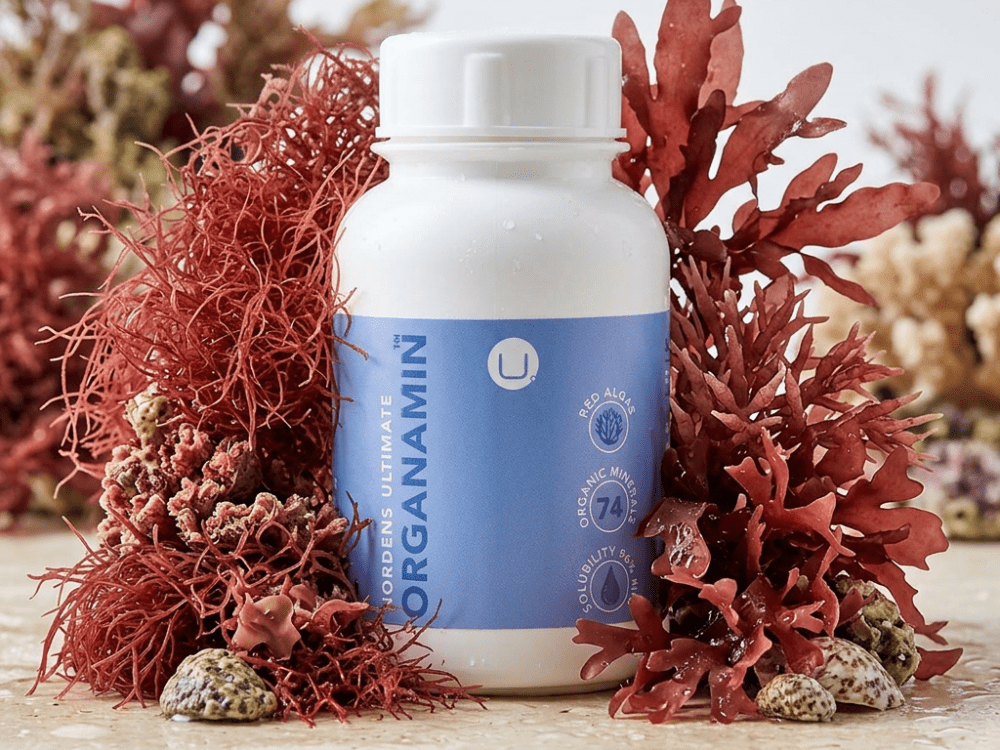
Nordens Ultimate draws on the power of nature’s most extraordinary ingredients – including Moringa – to create supplements that are simple, purposeful, and rooted in something real. Explore the full range at Nordens.co.za.